2022 Webinars
|
|
Modern Practices for Studio Classes Discover fresh, joyful approaches to teaching studio classes that can transform students’ musicianship, self-efficacy, mental health and citizenship. |
|
|
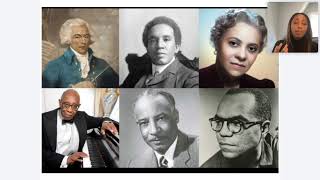
Competition Piano Repertoire by Black Composers This webinar will highlight piano repertoire by Black composers for all levels of the MTNA Piano Competition. |
|
|
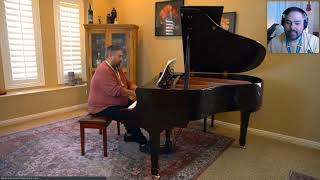
The Eight Directions of Arm Movement in Piano Playing Whenever a student has a technical issue, it is often misapplication of fundamental movements of the arm. We discuss/demonstrate their proper use. |
|
|
Discovering Music by Indigenous Composers This webinar will offer an overview of music by Indigenous composers in various styles, levels, and instrumentation. |
|
|
Choosing a Business Model to Match Your Vision There is no “one size fits all” business model. Yours may even evolve over time! Explore different models to see which most aligns with your goals. |
|
|
Articulating Bartók: Tips for Teaching For Children Teaching Bartók’s For Children: fingering, articulation, pedal marks. |
|
|
Judging Diverse Repertoire for Piano Competitions Judging Diverse Repertoire for Piano Competitions: The Dos and Don’ts for providing pedagogically beneficial critiques. |
|
|
To Be or Not To Be: Music in a Post-COVID World Ursula Oppens, 2022 MTNA Conference Artist, and Joel Harrison, Senior Artistic Adviser of the American Pianist Association, will share thoughts on how the Covid pandemic has played a role in the national conversation about the importance of the arts, music in particular. Joining them will be special guests Bonnie Barrett from Yamaha, and Amanda Sweet, Bucklesweet Media. |
|
|
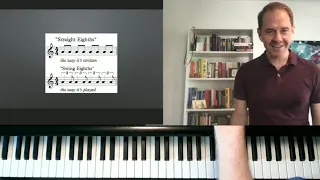
Deep Dive on Swing Rhythm Swing feel is at the heart of jazz rhythm. Learn the details of swing rhythm/articulation and how to apply swing feel to pedagogical pieces correctly. |
|
|
Loud and Clear: Piano Music and Resources by Black, Indigenous, and Women of Color This presentation explores the the canons of pedagogical piano literature in both the U.S. and Canada for the inclusivity of gender, race and ethnicity while sharing piano music examples by female BIPOC composers. |